






South Africa Top 100 Songs
The South Africa Top 100 Songs chart above is a running snapshot of what listeners across the country are actually searching for and playing right now, updated regularly so it reflects real listening habits rather than a fixed list from months ago. Whether you check in daily or just want a quick read on what's popular before searching for something specific, this is the fastest way to see the full picture of South African music in one place. It's also a big part of why people come back to Tubidy South Africa in the first place — one chart, one page, no digging through separate apps to track Amapiano, house, gospel, and hip hop separately.
This Week's Chart
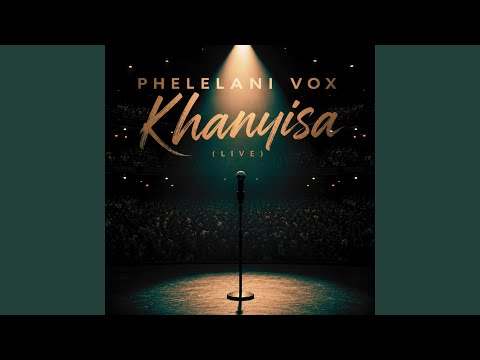
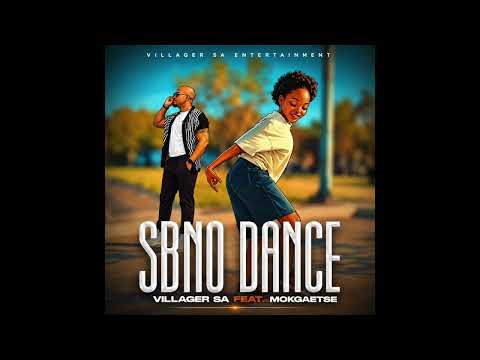
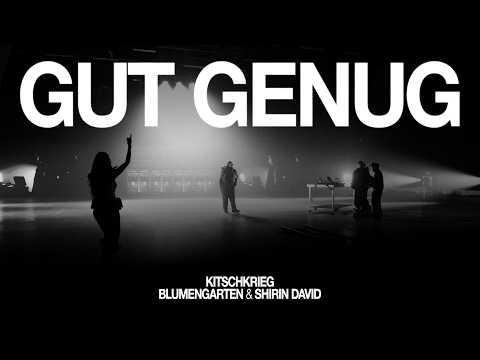
Rankings on this South Africa Top 100 Songs list are based on a mix of streams, downloads, and searches, weighted toward the last seven days so the order shifts as new tracks catch on and older ones settle. That's what makes it function like a genuine SA music chart rather than a static "greatest hits" list — a song can climb from outside the top 50 into the top 10 in a single week if it suddenly gets picked up on radio, at taxi ranks, or across social media. Scroll back up to the numbered list to see exactly where each track sits this week, along with the artist name and a quick preview so you can confirm it's the version you're after before playing or downloading it.
What's Trending Right Now
Right now, the chart leans heavily toward Amapiano, which continues to dominate South African playlists with its laid-back log drum basslines and vocal chants, alongside a steady stream of Gospel tracks that regularly crack the top 20 thanks to consistent Sunday and weekend listening spikes. Amapiano's dominance isn't new, but the specific artists and remixes sitting at the top keep changing week to week, so it's worth checking back often if that's your genre of choice. Gospel, meanwhile, tends to be less volatile — the same handful of established acts hold their positions for longer stretches, with new entries usually breaking through around major church calendar dates. Between these two genres alone, you'll find a good chunk of what's currently occupying the upper half of the South Africa Top 100 Songs chart, with house, hip hop, and amapiano-adjacent afro-pop filling out the rest of the list.
A Country Built on Genre-Blending
What makes South African music stand out on a global stage is how freely genres borrow from one another. Amapiano itself grew out of a mix of deep house, kwaito, and jazzy piano lines, and that same blending instinct shows up across the rest of the chart. Gqom brings dark, minimal, bass-heavy production out of Durban's club scene, while kwaito — the genre that first gave South African dance music its own identity in the 1990s — still echoes through slower, sample-heavy tracks today. Afro-pop and afro-soul artists frequently pull from R&B and hip hop influences, and it's common to hear a single song shift between a house groove and a gospel-style vocal breakdown without ever feeling out of place. That constant cross-pollination is part of why the sound coming out of South Africa feels distinct from anything else on the continent.
Finding and Downloading These Tracks
Once a song catches your ear on this chart, the next step is usually tracking down a clean copy to keep for offline listening, and that's exactly the gap Tubidy fills — search the title or artist, preview it, and download it in a couple of taps without needing a separate app for every genre. It's especially handy for amapiano and gqom fans, since a lot of the best material starts as a DJ mix or a limited release before it ever hits mainstream streaming platforms, and having a fast, no-frills way to grab those tracks matters more than it does for genres with wider distribution. Whether you're building a weekend playlist around this week's top movers or going back to fill in older gospel and kwaito favourites, the same simple search-and-download habit applies.
Regional Sounds Worth Exploring
Beyond what's currently charting, South Africa's music scene has strong regional identities worth digging into on their own. Durban is the heartland of gqom and continues to push out darker, club-focused productions; Pretoria and the greater Gauteng region are where amapiano first took shape and still where a lot of its biggest names are based; and the Eastern Cape and KwaZulu-Natal have long, deep traditions in gospel and choral music that feed into the Sunday listening spikes mentioned earlier. Following those regional threads is a good way to discover artists who haven't cracked the national top 100 yet but are already big locally — often the same names that show up on this chart a few months later once a track spreads beyond its home scene.


